


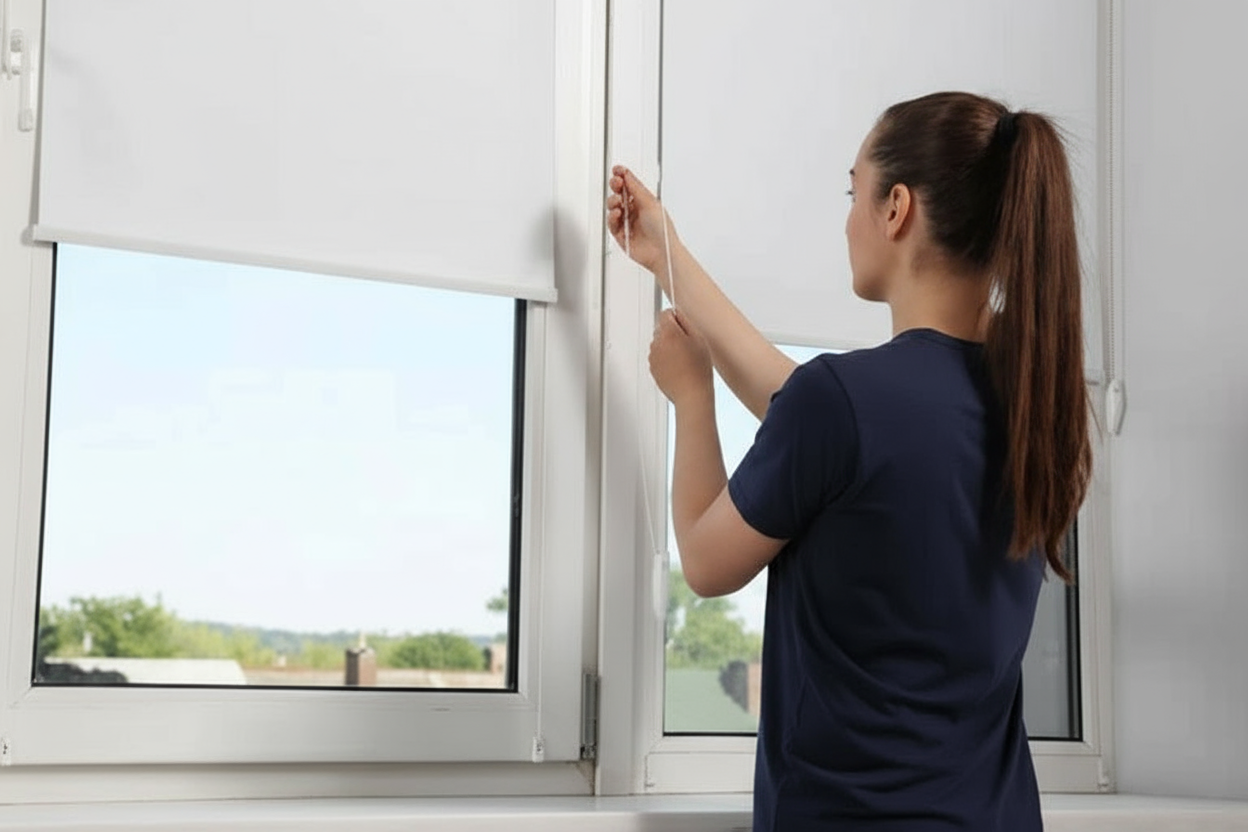


How Thermal Blinds Reduce Heat in Room
Keeping indoor spaces cool during hot weather can be a challenge, especially when sunlight streams through windows and raises the temperature inside. While air conditioners and fans provide relief, they also increase energy consumption and costs. A more efficient and sustainable solution is the use of thermal blinds. These specially designed window coverings help regulate indoor temperature by reducing heat gain, making rooms more comfortable and energy-efficient.
Understanding How Heat Enters a Room
To understand the effectiveness of thermal blinds, it is important to first look at how heat enters a room. The primary source of indoor heat is solar radiation that passes through windows. When sunlight hits glass, it allows visible light and infrared radiation to enter. This energy is absorbed by objects inside the room—such as furniture, walls, and flooring—which then release it as heat. This process causes the indoor temperature to rise, especially during peak daylight hours.
Windows are often the weakest point in a building’s insulation. Even modern glass can allow a significant amount of heat to pass through. Without proper protection, rooms exposed to direct sunlight can quickly become uncomfortably warm.
What Are Thermal Blinds?
Thermal blinds are window coverings specifically designed to reduce heat transfer. Unlike standard curtains or blinds, they are made from multiple layers of materials that work together to block and manage heat. These layers may include insulating fabrics, reflective coatings, and air-trapping structures.
Common types of thermal blinds include:
- Cellular (honeycomb) blinds – Designed with air pockets that trap heat
- Thermal roller blinds – Feature a special backing that reflects heat
- Roman blinds with thermal lining – Combine style with insulation
- Pleated blinds – Often include reflective surfaces to reduce heat gain
Each type offers unique advantages, but all aim to improve insulation and maintain a comfortable indoor environment.
How Thermal Blinds Reduce Heat
Thermal blinds use a combination of scientific principles to limit heat entering a room. These include reflection, insulation, and absorption.
1. Reflecting Sunlight Away
Many thermal blinds are designed with reflective outer layers. These layers bounce sunlight away from the window, preventing solar radiation from entering the room. Light-colored blinds are particularly effective at reflecting heat, as they do not absorb as much energy as darker colors.
2. Insulating Against Heat Transfer
One of the key features of thermal blinds is their insulating ability. Some designs, such as cellular blinds, contain pockets of air that act as a barrier to heat flow. Air is a poor conductor of heat, so these pockets reduce the amount of heat that passes from the window into the room.
3. Absorbing and Managing Heat
Thermal blinds can also absorb a portion of the incoming heat. Instead of allowing it to pass directly into the room, the materials used in the blinds slow down the transfer of heat. This helps keep indoor temperatures stable and prevents sudden increases.
Benefits of Using Thermal Blinds
Thermal blinds offer several advantages beyond simply reducing heat:
Improved Indoor Comfort
By blocking sunlight and insulating against heat, thermal blinds help maintain a cooler indoor environment. This makes living and working spaces more comfortable, especially during hot summer months.
Energy Efficiency
With less heat entering the room, there is less need for air conditioning. This reduces energy consumption and lowers electricity bills. Over time, the savings can offset the initial cost of installing thermal blinds.
UV Protection
Thermal blinds also block harmful ultraviolet (UV) rays. These rays can cause furniture, carpets, and curtains to fade over time. By reducing UV exposure, thermal blinds help preserve the quality and lifespan of interior furnishings.
Noise Reduction
The insulating layers in thermal blinds can also reduce outside noise. This creates a quieter and more peaceful indoor environment, which is particularly beneficial in busy urban areas.
Privacy and Light Control
Like regular blinds, thermal blinds provide privacy and allow users to control the amount of light entering the room. Many designs are adjustable, giving flexibility to balance natural light and comfort.
Choosing the Right Thermal Blinds
Selecting the right thermal blinds depends on several factors:
- Material Quality: High-quality materials provide better insulation and durability
- Fit: Properly fitted blinds reduce gaps where heat can enter
- Color: Lighter colors reflect more heat, though some darker blinds include reflective backing
- Design: Cellular blinds offer superior insulation, while roller blinds provide a sleek, modern look
Considering these factors can help ensure maximum effectiveness.
Tips for Maximum Effectiveness
To get the best results from thermal blinds, follow these practical tips:
- Keep blinds closed during the hottest parts of the day
- Use them on windows that receive direct sunlight
- Combine with other solutions like window films or double glazing
- Ensure proper installation to avoid gaps
Using thermal blinds strategically can significantly improve their performance.
Environmental Impact
Thermal blinds contribute to environmental sustainability by reducing the need for artificial cooling. Lower energy consumption means fewer greenhouse gas emissions from power generation. As more households adopt energy-efficient solutions, the overall environmental impact can be substantial.
Conclusion
Thermal blinds are a simple yet highly effective way to reduce heat in a room. By reflecting sunlight, insulating against heat transfer, and managing absorbed energy, they help maintain a cooler indoor environment. In addition to improving comfort, they offer benefits such as energy savings, UV protection, and noise reduction.
Whether used in homes or offices, thermal blinds provide a practical and eco-friendly solution for managing indoor temperatures. Investing in them not only enhances comfort but also supports long-term energy efficiency and sustainability.